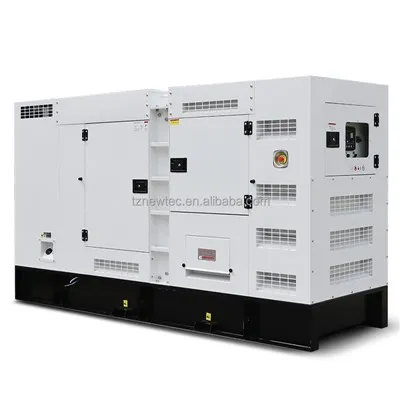
High Voltage Diesel Generator Set: A Complete Guide to Performance, Applications, and Design Principles
Introduction
Modern industrial power systems are becoming increasingly dependent on stable, high-capacity electricity supply. As manufacturing plants expand, data centers scale up, and infrastructure projects grow in complexity, the demand for reliable high-voltage power solutions continues to rise. In this context, the High Voltage Diesel Generator Set has become a critical component of global power infrastructure, offering stable energy output for large-scale and mission-critical operations.
Unlike standard low- or medium-voltage generators, high-voltage diesel generator systems are designed to deliver electricity at higher transmission voltages, improving efficiency over long distances and reducing energy loss. These systems are widely used in heavy industries, utilities, mining operations, and large commercial facilities where power stability and load capacity are essential.
This article provides a comprehensive technical and practical guide to High Voltage Diesel Generator Sets, covering their working principles, performance characteristics, design considerations, applications, and selection criteria. The goal is to help engineers, procurement teams, and industrial decision-makers understand how these systems operate and how to choose the right configuration for different operational needs.
What Is a High Voltage Diesel Generator Set?
Definition and Working Principle
A High Voltage Diesel Generator Set is an advanced power generation system designed to produce electrical energy at medium to high voltage levels, typically used for industrial-scale distribution and long-distance transmission.
The system operates through a standard diesel combustion process. Diesel fuel is injected into the engine cylinder, compressed under high pressure, and ignited. This combustion process generates mechanical energy, which rotates the engine crankshaft. The mechanical energy is then transferred to a high-voltage alternator, where it is converted into electrical energy through electromagnetic induction.
What differentiates this system from conventional generators is its ability to output electricity at higher voltage levels, which reduces current intensity for the same power output. This improves transmission efficiency and minimizes energy loss in industrial distribution systems.
Core System Architecture
The architecture of a High Voltage Diesel Generator Set is more complex than standard generator systems due to increased electrical and thermal demands.
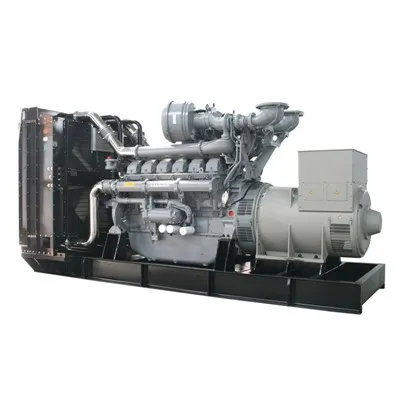
The diesel engine serves as the primary energy source and is designed for continuous heavy-duty operation. These engines typically feature reinforced components, turbocharging systems, and advanced fuel injection technology to ensure stable performance under high loads.
The high-voltage alternator is engineered with specialized insulation systems capable of handling elevated electrical stress. It plays a critical role in ensuring safe and stable voltage output.
The excitation system regulates voltage stability, ensuring consistent output even under fluctuating load conditions. Meanwhile, the control system monitors performance parameters such as voltage, frequency, temperature, and load distribution.
Together, these components form an integrated system capable of delivering reliable high-voltage power in demanding environments.
Types of High Voltage Diesel Generator Sets
High-voltage generator systems can be categorized based on their operational role and structural design.
Standby systems are used as emergency backup power sources, automatically activating during grid failures to ensure uninterrupted operations in critical facilities.
Prime power systems are designed for continuous operation and are often used in remote industrial sites or areas with unstable grid infrastructure.
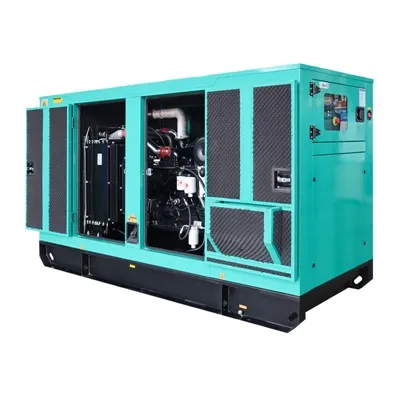
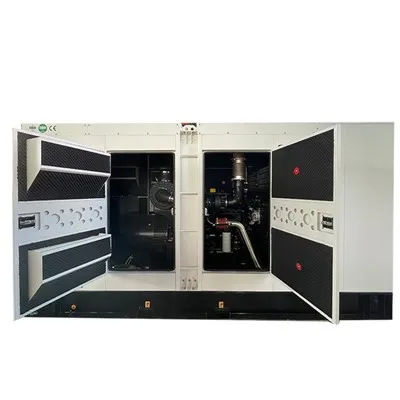
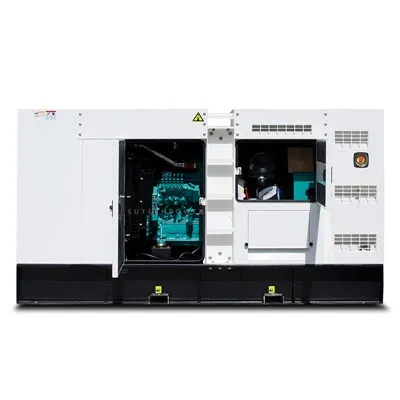
Containerized high-voltage generator sets are fully enclosed systems designed for outdoor deployment, offering protection from environmental conditions and improved mobility.
In addition, systems may operate as single large units or as multiple generators connected in parallel, allowing flexible load distribution and scalability.
Performance Characteristics of High Voltage Diesel Generator Sets
High Power Output and Load Handling
The most defining feature of a High Voltage Diesel Generator Set is its ability to deliver large-scale power output efficiently. These systems are designed to support heavy industrial loads such as steel manufacturing equipment, large compressors, and data center infrastructure.
High-voltage output reduces current levels for the same power demand, which minimizes transmission losses and improves system efficiency. This is especially important in large facilities where electricity must be distributed over long distances.
These generator sets are also engineered to handle sudden load changes without significant voltage fluctuations, ensuring operational stability in dynamic industrial environments.
Efficiency and Fuel Consumption
Fuel efficiency is a key performance factor in high-voltage generator systems. Diesel engines used in these systems are optimized for continuous heavy-load operation, where they achieve maximum efficiency.
Advanced fuel injection systems and turbocharging technology improve combustion efficiency and reduce fuel waste. The system performs best when operating within an optimal load range, typically between 70% and 85% of rated capacity.
Operating below or above this range can negatively impact fuel consumption and engine longevity. Therefore, proper load management is essential for maintaining long-term efficiency.
Voltage Stability and Electrical Quality
Voltage stability is critical in high-voltage applications, especially in industries where sensitive equipment is used. The High Voltage Diesel Generator Set incorporates automatic voltage regulators (AVR) and advanced excitation systems to maintain consistent output.
These systems adjust electrical output in real time to compensate for load variations, ensuring stable voltage and frequency levels. This is essential for preventing equipment damage and maintaining production quality.
High-quality power output also reduces harmonic distortion, which is important for maintaining the integrity of electrical systems in industrial environments.
Thermal Management and Operational Stability
High-voltage generator systems generate significant heat during operation due to increased electrical and mechanical load. Effective thermal management is therefore essential.
Cooling systems typically include high-capacity radiators, water-cooling circuits, and optimized airflow designs to maintain stable operating temperatures.
Proper heat dissipation ensures that the generator can operate continuously without performance degradation, even in high-temperature environments or under full load conditions.
Design Principles of High Voltage Diesel Generator Sets
High-Voltage Insulation Design
Insulation is one of the most critical aspects of high-voltage generator design. The system must prevent electrical breakdown and ensure safe operation under elevated voltage levels.
High-grade insulation materials are used in windings, cables, and connection points to withstand electrical stress. The design also incorporates creepage distance optimization to prevent arcing and leakage currents.
Proper insulation ensures both operational safety and long-term system reliability.
Engine and Alternator Integration
The integration between the diesel engine and high-voltage alternator must be carefully engineered to ensure mechanical and electrical compatibility.
The engine must provide sufficient torque to drive the alternator under full load conditions. At the same time, vibration control systems are used to reduce mechanical stress and improve structural stability.
Precise alignment and coupling systems are essential to maintain efficiency and prevent mechanical wear over time.
Safety and Protection Systems
Safety is a key consideration in high-voltage systems due to the increased electrical risks. Modern generator sets include multiple layers of protection, including overload protection, short-circuit protection, and grounding systems.
Emergency shutdown systems are designed to immediately stop operation in case of critical faults. These safety mechanisms protect both equipment and operators from potential hazards.
Advanced monitoring systems also provide real-time diagnostics to detect issues before they lead to system failure.
Modular and Scalable Design Concepts
Modern High Voltage Diesel Generator Sets are often designed with modularity in mind. This allows multiple units to operate in parallel, sharing load demand and improving system redundancy.
Containerized designs provide additional flexibility, allowing easy transportation and installation in remote or temporary locations.
Scalability ensures that power capacity can be expanded as operational requirements grow, making these systems suitable for long-term industrial development.
Applications of High Voltage Diesel Generator Sets
Power Plants and Utility Support Systems
High-voltage diesel generators are widely used in power plants as backup or supplementary power sources. They help stabilize grid systems during peak demand periods and provide emergency support during outages.
Industrial Manufacturing and Heavy Industry
Large manufacturing facilities rely on high-voltage generator sets to power heavy machinery, production lines, and automated systems. Industries such as steel production, chemical processing, and automotive manufacturing depend heavily on stable high-capacity power.
Mining, Oil, and Gas Operations
Remote mining and energy extraction sites often operate far from centralized power grids. High-voltage diesel generator sets provide essential power for drilling equipment, processing systems, and site infrastructure in harsh environments.
Infrastructure and Transportation Systems
Airports, railway systems, and large transportation hubs require continuous power for lighting, communication systems, and safety infrastructure. High-voltage generators ensure uninterrupted operation in these critical facilities.
Data Centers and Critical Facilities
Data centers require extremely stable and reliable power to prevent data loss and system downtime. High-voltage diesel generators are often integrated with UPS systems to provide seamless backup power during grid failures.
How to Select the Right High Voltage Diesel Generator Set
Power Capacity and Voltage Level Selection
Selecting the correct system begins with evaluating total power demand and required voltage level. Matching generator capacity with operational needs ensures efficiency and prevents system overload.
Efficiency and Operating Cost Considerations
Fuel efficiency, maintenance costs, and total lifecycle expenses should be considered when evaluating different systems. A well-optimized generator reduces long-term operational costs significantly.
System Configuration and Scalability
Users must decide between single-unit systems or multi-generator parallel configurations. Scalable systems provide flexibility for future expansion and improved redundancy.
Environmental and Installation Requirements
Environmental factors such as temperature, humidity, and space availability influence system selection. Compliance with noise and emission regulations is also essential in certain regions.
Maintenance and Service Support
Reliable maintenance support is critical for long-term operation. Availability of spare parts, technical support, and preventive maintenance services directly impacts system reliability and uptime.
Conclusion
The High Voltage Diesel Generator Set plays a vital role in modern industrial and infrastructure power systems. Its ability to deliver stable, high-capacity electricity makes it indispensable for industries that require continuous and reliable energy supply.
From performance and efficiency to design principles and application diversity, these systems are engineered to meet the demands of large-scale operations. Key factors such as voltage stability, fuel efficiency, thermal management, and system scalability all contribute to their effectiveness.
As global energy demand continues to grow, high-voltage diesel generator systems will remain a cornerstone of industrial power infrastructure. Proper selection and maintenance ensure long-term reliability, cost efficiency, and operational stability across a wide range of critical applications.