Industrial Diesel Generator Sets Explained: Performance, Reliability, and Cost Efficiency
Introduction
Modern industries rely heavily on uninterrupted power supply to maintain production stability, operational safety, and service continuity. From manufacturing plants and mining operations to data centers and infrastructure projects, even a short power interruption can lead to significant financial losses and operational risks. In this context, the Industrial Diesel Generator Set has become one of the most widely adopted solutions for both backup and prime power applications.
Unlike smaller residential systems, industrial generator sets are engineered for high-load performance, long operating hours, and demanding environmental conditions. Their ability to deliver stable power output under fluctuating loads makes them essential in critical sectors where grid reliability cannot be guaranteed. At the same time, continuous improvements in engine efficiency, emissions control, and digital monitoring have made modern diesel generator systems more efficient and cost-effective than ever before.
This article provides a comprehensive overview of Industrial Diesel Generator Sets, focusing on their structure, performance characteristics, reliability factors, cost efficiency, and real-world applications. It aims to help industrial users, procurement managers, and engineers better understand how these systems operate and how to evaluate them for long-term investment.
What Is an Industrial Diesel Generator Set?
Definition and Working Principle
An Industrial Diesel Generator Set is a complete power generation system that converts diesel fuel into electrical energy through a controlled mechanical and electromagnetic process. The system is built around a diesel engine that drives an alternator, producing electricity suitable for industrial-scale applications.
The working principle is based on internal combustion. Diesel fuel is injected into the engine cylinders, compressed, and ignited due to high temperature. The resulting explosion drives pistons, which convert chemical energy into mechanical energy. This mechanical rotation powers the alternator, which then converts it into electrical energy through electromagnetic induction.
The output electricity is regulated by a control system that ensures stable voltage and frequency, making it suitable for sensitive industrial equipment and large-scale power distribution systems.
Core Components of the System
A typical industrial diesel generator set consists of several key components working together as an integrated system.
The diesel engine serves as the primary power source and is responsible for mechanical energy generation. Industrial-grade engines are designed for high durability and long operating cycles. The alternator converts mechanical energy into electrical energy and is a critical factor in determining output stability and efficiency.
The control panel acts as the operational brain of the system, allowing users to monitor voltage, frequency, load levels, and system diagnostics. Modern systems often include digital controllers with remote monitoring capabilities.
The fuel system ensures a steady supply of diesel to the engine, while the cooling system prevents overheating during continuous operation. The exhaust system manages emissions and ensures compliance with environmental standards.
Each component must work in synchronization to maintain stable and efficient operation of the Industrial Diesel Generator Set.
Types of Industrial Diesel Generator Sets
Industrial generator sets are categorized based on their operational purpose and design structure.
Standby generator sets are designed for emergency use and activate automatically during grid power failures. They are commonly used in hospitals, data centers, and manufacturing plants where downtime is unacceptable.
Prime power generator sets are designed for continuous operation and can serve as the primary power source in off-grid or unstable grid environments. These systems are widely used in mining and remote industrial sites.
High-voltage generator sets are used for large-scale industrial applications where long-distance power transmission is required. Low-voltage systems are typically used for smaller industrial loads or localized power distribution.
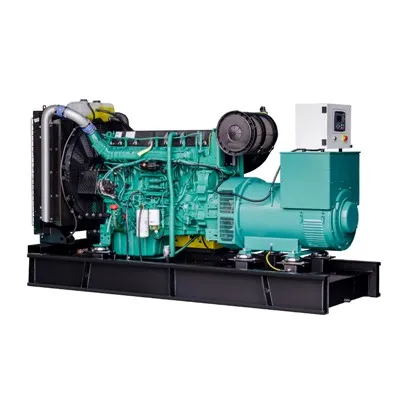
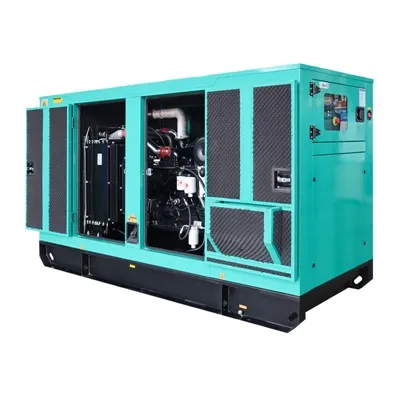
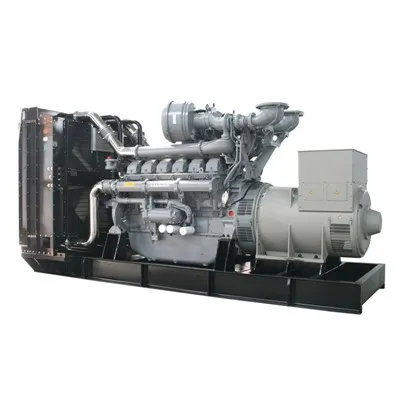
Containerized generator sets offer mobility and environmental protection, making them suitable for outdoor and harsh environments. Open-frame systems are more cost-effective and easier to maintain but require controlled installation conditions.
Performance Factors of Industrial Diesel Generator Sets
Power Output and Load Capacity
Power output is one of the most important performance indicators of an Industrial Diesel Generator Set. It is typically measured in kilowatts (kW) or kilovolt-amperes (kVA). Selecting the correct capacity requires careful analysis of total load demand, including both running and starting power requirements.
Industrial applications often involve heavy machinery with high starting currents, which must be considered when sizing the generator. Operating a generator at 70%–80% load is generally considered optimal for balancing efficiency and performance stability.
Undersized systems may lead to overload failures, while oversized systems can result in inefficient fuel consumption and higher operating costs. Proper load matching is essential for long-term system reliability.
Fuel Efficiency and Consumption Optimization
Fuel efficiency plays a critical role in the operational cost of industrial generator systems. Diesel engines are inherently more efficient than gasoline engines due to higher energy density and compression ignition technology.
Modern industrial generator sets are designed with optimized combustion systems that improve fuel utilization and reduce waste. Electronic fuel injection systems, turbocharging, and advanced engine management technologies further enhance efficiency.
Load management is also a key factor. Generators operate most efficiently at moderate load levels. Running at very low loads can lead to incomplete combustion, carbon buildup, and reduced engine life.
Fuel quality and maintenance practices also directly affect consumption rates and long-term efficiency.
Voltage Stability and Electrical Performance
Voltage stability is essential for protecting industrial equipment and ensuring consistent production processes. The Industrial Diesel Generator Set must maintain stable voltage and frequency even under rapidly changing loads.
Automatic voltage regulators (AVR) are used to control output fluctuations, while digital controllers adjust engine speed based on load demand. Frequency stability is equally important, especially in applications involving precision machinery or sensitive electronic systems.
Poor electrical performance can lead to equipment damage, production errors, and operational downtime, making system stability a top priority in industrial environments.
Environmental and Operating Conditions
Industrial generator sets are often deployed in harsh environments, including extreme temperatures, high humidity, dusty conditions, and high-altitude locations. These factors can significantly affect performance if not properly addressed.
Manufacturers design industrial systems with reinforced cooling systems, protective enclosures, and corrosion-resistant materials to ensure reliable operation under challenging conditions.
High-altitude operation may require engine derating due to reduced oxygen levels, while extreme heat requires enhanced cooling capacity. Proper system configuration ensures consistent performance regardless of environmental conditions.
Reliability and System Durability
Engine Quality and Structural Design
The reliability of an Industrial Diesel Generator Set depends heavily on engine quality and structural engineering. Industrial-grade diesel engines are designed for continuous operation, often running for thousands of hours without major failure.
Heavy-duty frames, vibration isolation systems, and reinforced mounting structures reduce mechanical stress and extend system lifespan. High-quality manufacturing standards ensure consistent performance under long-term load conditions.
Redundancy and Safety Systems
Modern industrial generator systems include multiple layers of safety and redundancy. Automatic shutdown systems protect the engine from overheating, low oil pressure, and overload conditions.
In critical applications, multiple generator units can be synchronized to provide redundancy. If one unit fails, others automatically compensate, ensuring uninterrupted power supply.
Advanced monitoring systems detect faults in real time and provide alerts for preventive maintenance, reducing the risk of unexpected failures.
Maintenance and Service Life
Regular maintenance is essential for ensuring long-term reliability. Routine tasks include oil changes, filter replacement, coolant inspection, and fuel system cleaning.
Industrial diesel generator sets typically have a long service life, often exceeding tens of thousands of operating hours when properly maintained. Preventive maintenance schedules are more cost-effective than reactive repairs and help avoid unexpected downtime.
A well-maintained system ensures stable performance and maximizes return on investment over its lifecycle.
Cost Efficiency and Economic Value
Initial Investment vs Long-Term Cost
The initial cost of an Industrial Diesel Generator Set includes equipment purchase, installation, and infrastructure setup. While this upfront investment can be significant, the long-term benefits often outweigh the initial expense.
Compared to alternative energy systems, diesel generators offer lower installation complexity and higher operational flexibility. Their ability to provide immediate power during outages adds significant economic value in industrial environments.
Fuel Cost and Operational Efficiency
Fuel consumption is one of the largest operating expenses. Efficient load management and proper maintenance can significantly reduce fuel usage.
Operating the generator within its optimal load range improves combustion efficiency and reduces waste. In large-scale industrial operations, even small improvements in fuel efficiency can result in substantial cost savings over time.
Maintenance and Lifecycle Cost
Lifecycle cost includes maintenance, spare parts, labor, and operational downtime. Industrial diesel generator sets are designed for long-term durability, but proper servicing is essential to control total cost of ownership.
Access to spare parts and professional technical support also plays a key role in reducing long-term expenses. Reliable suppliers help ensure consistent maintenance and faster repair times.
Return on Investment (ROI) in Industrial Use
The ROI of an Industrial Diesel Generator Set is primarily measured by its ability to prevent downtime. In industries where production interruption can lead to significant losses, even short outages can justify the investment in a reliable generator system.
Stable power supply improves productivity, reduces operational risk, and ensures business continuity, making diesel generator systems a financially strategic asset.
Applications of Industrial Diesel Generator Sets
Manufacturing and Industrial Plants
Industrial facilities rely on generator sets for both backup and primary power. They ensure continuous operation of production lines, reducing downtime risks and maintaining output consistency.
Mining and Oil & Gas Operations
Remote mining and energy extraction sites often operate without stable grid access. Industrial diesel generator sets provide essential power for equipment, lighting, and safety systems in these environments.
Data Centers and Critical Infrastructure
Data centers require zero downtime power systems. Generator sets are integrated with UPS systems to ensure seamless transition during outages, protecting sensitive data and IT infrastructure.
Construction and Infrastructure Projects
Construction sites use portable and containerized industrial generator sets to power tools, machinery, and temporary facilities. Their mobility and reliability make them essential for large-scale projects.
Conclusion
The Industrial Diesel Generator Set remains a foundational power solution for global industries due to its combination of performance, reliability, and cost efficiency. Its ability to deliver stable power under demanding conditions makes it indispensable across manufacturing, energy, infrastructure, and technology sectors.
Understanding key factors such as load capacity, fuel efficiency, system reliability, and lifecycle cost is essential for selecting the right generator system. While initial investment is important, long-term operational value and downtime prevention often define the true economic benefit.
As industrial demand continues to grow, modern generator systems are evolving toward higher efficiency, smarter control systems, and improved environmental performance. Companies that invest in properly configured and well-maintained diesel generator sets will continue to benefit from stable power supply, reduced operational risk, and long-term financial returns.