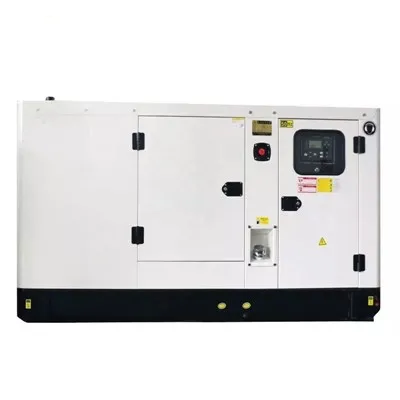
Silent Diesel Generator Set Explained: Features, Benefits, and Selection Guide
Introduction
In modern power-demanding environments, noise control has become as important as power reliability. Urban construction sites, hospitals, hotels, and residential areas all require stable electricity while maintaining strict limits on sound emissions. This demand has led to the widespread adoption of the Silent Diesel Generator Set, a power solution designed to combine high-performance diesel generation with advanced acoustic engineering.
Unlike traditional open-frame generators, silent diesel generator systems integrate soundproof enclosures, vibration reduction technologies, and optimized airflow structures to significantly reduce operational noise. At the same time, they retain the core advantages of diesel power generation, including fuel efficiency, long service life, and strong load capacity.
This article provides a detailed explanation of Silent Diesel Generator Sets, including their structure, features, benefits, applications, and selection criteria. It is designed to help buyers, engineers, and project planners make informed decisions when evaluating silent power solutions for different environments.
What Is a Silent Diesel Generator Set?
Definition and Working Principle
A Silent Diesel Generator Set is a diesel-powered electrical generation system equipped with a specially designed acoustic enclosure that reduces operational noise. The system converts diesel fuel into mechanical energy through combustion, and then into electrical energy via an alternator.
The working process begins when diesel fuel is injected into the engine cylinder and compressed under high pressure. The resulting combustion drives pistons, which rotate the crankshaft. This mechanical energy is transferred to the alternator, which produces electricity through electromagnetic induction.
What distinguishes a silent generator from a standard unit is the integration of noise reduction systems. These include acoustic insulation panels, mufflers, vibration isolators, and optimized airflow channels that allow the engine to operate efficiently while minimizing sound emissions.
Core Components of Silent Design
The silent structure is built around multiple engineering layers designed to reduce noise without affecting performance.
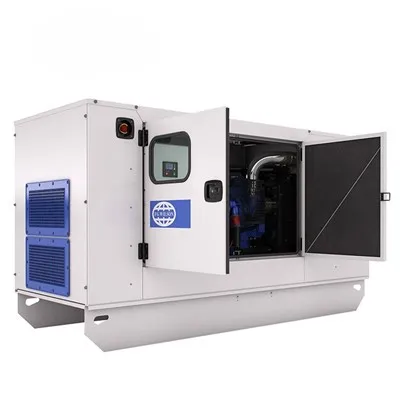
The soundproof canopy is the most visible component. It is constructed using high-density steel combined with sound-absorbing materials such as polyurethane foam or rock wool. This enclosure significantly reduces airborne noise.
Vibration control systems are equally important. The engine is mounted on anti-vibration pads that prevent mechanical vibrations from transferring to the frame, which reduces structural noise.
The exhaust system includes industrial-grade mufflers that lower exhaust noise before gases are released into the environment. Meanwhile, the cooling system is designed with controlled airflow channels to maintain engine temperature without generating excessive sound.
Together, these components ensure that a Silent Diesel Generator Set operates at significantly reduced decibel levels compared to conventional systems.
Types of Silent Diesel Generator Sets
Silent diesel generators are available in multiple configurations to suit different application needs.
Super silent models are designed for environments where noise restrictions are extremely strict, such as hospitals and residential districts. These units typically operate at very low decibel levels due to enhanced insulation and advanced muffler systems.
Standard silent generators provide a balance between cost and noise reduction performance. They are commonly used in commercial and light industrial applications.
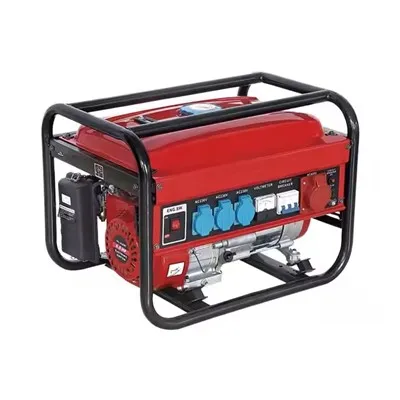
Portable silent generators are compact and mobile, making them suitable for temporary power needs such as outdoor events or small construction sites. Stationary silent units are permanently installed and often integrated into building power systems with automatic transfer switches for seamless operation during outages.
Key Features of Silent Diesel Generator Sets
Noise Reduction Technology
Noise reduction is the defining feature of a Silent Diesel Generator Set. Acoustic engineering is applied at multiple levels to control sound output.
High-density soundproof materials are used in the enclosure walls to absorb engine noise. Internal structures are designed to minimize sound reflection, while airflow paths are optimized to reduce turbulence noise.
The exhaust system includes multi-stage mufflers that significantly reduce combustion noise. Combined with vibration isolation mounts, these technologies ensure stable and quiet operation even under high load conditions.
Modern silent generators can achieve noise levels as low as 60–75 dB depending on configuration and load, making them suitable for urban environments.
Fuel Efficiency and Engine Performance
Despite the additional acoustic systems, silent diesel generators maintain strong fuel efficiency due to advanced engine design. Diesel engines are inherently more efficient than gasoline engines because of higher compression ratios and better energy density.
Modern systems use electronic fuel injection and turbocharging technologies to optimize combustion. This ensures that fuel is used efficiently across different load conditions.
Operating the generator within the optimal load range (typically 70%–80%) further improves fuel efficiency and reduces long-term operational costs.
Smart Control and Automation Systems
Modern silent diesel generators are equipped with intelligent control systems that improve usability and safety.
Digital control panels allow operators to monitor voltage, frequency, fuel level, and engine status in real time. These systems often include automatic start/stop functions that activate the generator during power failures without manual intervention.
Remote monitoring capabilities are increasingly common, allowing operators to track performance and receive alerts through mobile or cloud-based platforms. This improves operational efficiency and reduces maintenance risks.
Environmental and Safety Features
Environmental compliance is an important consideration in modern generator design. Silent diesel generator sets are often equipped with emission control systems that reduce pollutants and comply with international standards.
Safety features include overload protection, low oil pressure shutdown, and emergency stop systems. The enclosed structure also enhances safety by preventing accidental contact with moving or hot components.
These features make the system suitable for deployment in sensitive environments such as hospitals, schools, and urban residential areas.
Benefits of Silent Diesel Generator Sets
Low Noise Operation for Urban and Sensitive Areas
The primary advantage of a Silent Diesel Generator Set is its low noise output. This makes it suitable for environments where noise pollution must be minimized.
In residential areas, silent generators allow households to maintain normal living conditions during power outages. In hospitals, they ensure uninterrupted operation without disturbing patients. In hotels and commercial buildings, they maintain guest comfort while providing reliable backup power.
Compliance with local noise regulations is another important benefit, especially in urban construction zones where strict limits are enforced.
Reliable Power Supply in Critical Situations
Silent diesel generators are designed for high reliability under critical conditions. They provide immediate backup power during grid failures and can operate continuously for extended periods when required.
Their ability to handle heavy loads makes them suitable for powering essential systems such as elevators, refrigeration units, medical equipment, and communication infrastructure.
This reliability ensures operational continuity in industries where downtime can result in significant financial loss or safety risks.
Cost Efficiency and Long-Term Value
Although silent diesel generator sets may have a higher initial cost due to acoustic engineering, they offer strong long-term economic value.
Diesel engines consume less fuel compared to gasoline alternatives, especially under continuous operation. Maintenance requirements are also relatively low due to robust engine design and fewer ignition system components.
Over time, the combination of fuel efficiency, durability, and reduced maintenance contributes to a lower total cost of ownership.
Flexibility and Wide Application Range
Silent diesel generators are highly versatile and can be used across multiple industries and environments.
They are suitable for residential backup power, commercial buildings, construction sites, outdoor events, and emergency response operations. Their availability in portable and stationary configurations further enhances flexibility.
Scalable power options allow users to select systems ranging from small residential units to large industrial-grade generators.
Applications of Silent Diesel Generator Sets
Residential and Commercial Buildings
In residential and commercial environments, silent generators provide backup power during outages. They ensure continuous operation of lighting, air conditioning, elevators, and security systems.
Their low noise output makes them ideal for urban apartment complexes and office buildings where noise restrictions are strict.
Healthcare and Educational Institutions
Hospitals and clinics rely heavily on uninterrupted power supply. Silent diesel generators ensure that critical medical equipment continues to operate during grid failures.
Educational institutions also benefit from silent systems, particularly in laboratories and IT infrastructure where stable power is essential.
Construction and Infrastructure Projects
Construction sites often operate in urban environments where noise control is important. Silent generators provide reliable power for tools and lighting while minimizing disturbance to surrounding areas.
Their durability and mobility make them suitable for temporary installations in infrastructure projects.
Hospitality and Event Industry
Hotels, resorts, and event venues require silent operation to maintain guest comfort. Silent diesel generators provide backup power without disrupting activities or customer experience.
They are also widely used in outdoor events, exhibitions, and temporary installations where quiet operation is required.
How to Choose the Right Silent Diesel Generator Set
Power Capacity and Load Requirements
Selecting the correct power capacity is essential. Users must calculate total load requirements, including both running and starting loads of equipment.
Choosing the correct size ensures stable operation and prevents inefficiency caused by underloading or overloading the system.
Noise Level Standards and Acoustic Performance
Noise level is a key selection factor for a Silent Diesel Generator Set. Decibel ratings should be compared based on application requirements.
For residential or hospital use, super silent models with advanced insulation are recommended. For industrial use, standard silent models may be sufficient.
Compliance with local environmental regulations should always be verified.
Fuel Efficiency and Runtime Considerations
Fuel tank capacity and consumption rates determine how long the generator can operate continuously.
Users should consider expected runtime during outages and select a system that balances fuel efficiency with operational needs.
Optimizing load levels also improves fuel efficiency and reduces long-term operating costs.
Installation and Maintenance Requirements
Proper installation ensures safe and efficient operation. Silent generators require adequate ventilation and spacing to prevent overheating.
Maintenance accessibility is also important. Systems designed for easy servicing reduce downtime and maintenance costs.
Reliable after-sales support and spare parts availability are critical for long-term operation.
Conclusion
The Silent Diesel Generator Set represents a modern evolution in power generation technology, combining reliable diesel engine performance with advanced noise reduction systems. It is widely used across residential, commercial, healthcare, and industrial sectors due to its ability to deliver stable power while minimizing acoustic impact.
Understanding its structure, features, and benefits is essential for selecting the right system. Factors such as power capacity, noise level, fuel efficiency, and maintenance requirements all play a critical role in decision-making.
As demand for low-noise and efficient power solutions continues to grow, silent diesel generator sets will remain a key component of modern energy infrastructure. Choosing the right system ensures not only operational reliability but also long-term economic value and environmental compliance.