Portable Diesel Generator: A Complete Guide to Features, Applications, and Selection
Introduction
In modern industries and daily operations, access to stable electricity is no longer limited to fixed infrastructure. Construction sites, agricultural fields, outdoor events, and emergency response scenarios all require flexible and reliable power sources. In these environments, the Portable Diesel Generator has become one of the most practical solutions due to its mobility, fuel efficiency, and strong load-handling capability.
Unlike stationary generator systems, portable diesel units are designed for easy transportation and rapid deployment. They combine industrial-grade diesel engine performance with compact structural design, allowing users to access stable electricity in remote or temporary locations. Over the past decade, improvements in engine technology, fuel management, and structural engineering have significantly enhanced their efficiency and usability.
This article provides a comprehensive overview of Portable Diesel Generators, including how they work, their key features, major applications, advantages, and selection guidelines. The goal is to help users understand how to evaluate and choose the right system based on real operational needs.
What Is a Portable Diesel Generator?
Definition and Working Principle
A Portable Diesel Generator is a compact power generation system that converts diesel fuel into electrical energy while being designed for mobility and easy deployment. It operates on the principle of internal combustion, where diesel fuel is injected into the engine cylinder, compressed, and ignited to produce mechanical energy.
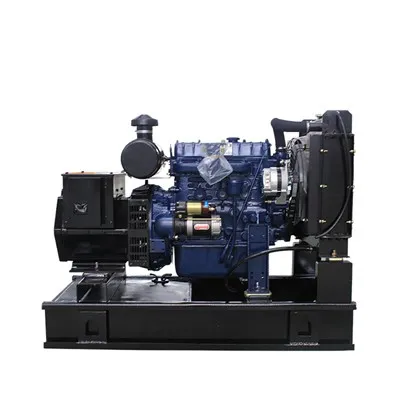
This mechanical energy rotates the engine crankshaft, which is connected to an alternator. The alternator then converts mechanical energy into electrical power through electromagnetic induction. The generated electricity is regulated by a control system to ensure stable voltage and frequency output suitable for various electrical loads.
The combination of diesel engine efficiency and portable structural design makes this system ideal for temporary and mobile power applications.
Key Structural Characteristics
The structure of a Portable Diesel Generator is designed to balance durability and mobility. The frame is typically made of reinforced steel to withstand vibration and external impact during transportation and operation.
Most units include an integrated fuel tank, allowing extended runtime without frequent refueling. The cooling system is designed to maintain stable engine temperature even during continuous operation in challenging environments.
Vibration isolation components are installed between the engine and the base frame to reduce mechanical stress and improve system longevity. These structural elements ensure stable performance even under frequent movement and harsh working conditions.
Types of Portable Diesel Generators
Portable diesel generators come in several configurations depending on power requirements and application scenarios.
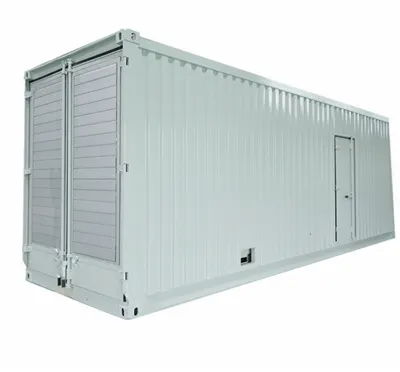
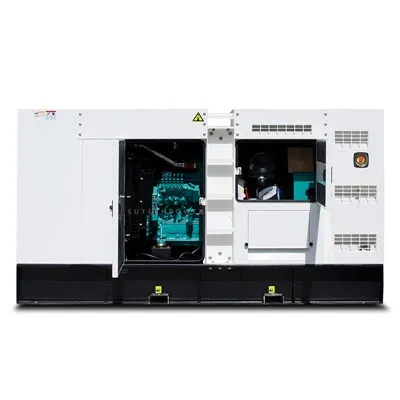
Open-frame portable generators are the most basic type, offering easy maintenance and cost efficiency but higher noise levels. Silent portable diesel generators include soundproof enclosures that reduce noise, making them suitable for residential or urban environments.
Wheel-mounted units are designed for easy manual transportation, while skid-mounted systems are used for more stable positioning in industrial environments.
In terms of power range, portable diesel generators typically fall into three categories: small units for light-duty applications, medium systems for commercial use, and heavy-duty portable generators for industrial or emergency operations.
Core Features of Portable Diesel Generators
Mobility and Compact Design
The most important feature of a Portable Diesel Generator is its mobility. These systems are designed to be easily transported between job sites without requiring complex installation procedures.
Many models are equipped with wheels, lifting hooks, or compact skid bases, allowing users to move them using minimal equipment. This flexibility makes them particularly valuable in construction, agriculture, and emergency response operations where power needs frequently change location.
Compact design also ensures that the generator occupies minimal space during storage and operation, making it suitable for environments with limited installation areas.
Fuel Efficiency and Engine Performance
Diesel engines are known for their high fuel efficiency and strong torque output, which makes them ideal for portable generator systems. Compared to gasoline engines, diesel engines consume less fuel per unit of electricity generated, especially under continuous load conditions.
Modern portable diesel generators use optimized combustion systems and advanced fuel injection technology to improve efficiency further. Many systems are designed to operate best within a 60%–80% load range, which ensures stable combustion and reduced fuel waste.
Extended runtime is another advantage, as portable diesel generators can operate for long hours on a single fuel tank, making them suitable for remote or off-grid applications.
Durability and Heavy-Duty Construction
Durability is a key requirement for portable power systems because they are frequently moved and used in harsh environments. The Portable Diesel Generator is built with reinforced steel frames and industrial-grade components to withstand vibration, impact, and environmental stress.
The engine is typically designed for long operational life, often exceeding thousands of running hours with proper maintenance. Protective enclosures and corrosion-resistant materials further enhance durability, especially in outdoor applications exposed to dust, humidity, and temperature variations.
This robust construction ensures reliable performance even under demanding working conditions.
Control Systems and Safety Features
Modern portable diesel generators are equipped with control systems that enhance usability and safety. Basic models include manual control panels for starting and monitoring operation, while advanced models feature digital interfaces with real-time diagnostics.
Safety systems include automatic shutdown functions that activate in case of low oil pressure, overheating, or overload conditions. These features protect both the engine and connected equipment from damage.
Some advanced models also support automatic voltage regulation, ensuring stable power output even when load conditions change suddenly.
Applications of Portable Diesel Generators
Construction and Infrastructure Projects
One of the most common uses of portable diesel generators is in construction and infrastructure development. These systems provide temporary power for tools, machinery, and lighting at job sites where grid access is unavailable or unstable.
They are especially useful in large-scale projects such as road construction, bridge building, and remote infrastructure development, where power requirements change frequently and mobility is essential.
Agriculture and Rural Power Supply
In agricultural environments, portable diesel generators are used to power irrigation systems, farm machinery, and processing equipment. They are particularly valuable in rural areas where electrical infrastructure may be limited or unreliable.
Farmers use these systems during planting and harvesting seasons to ensure continuous operation of essential equipment. Their portability allows easy relocation across large farming areas.
Emergency and Disaster Response
Portable diesel generators play a critical role in emergency response situations. During natural disasters such as floods, earthquakes, or storms, they provide immediate backup power for rescue operations, medical facilities, and temporary shelters.
Their ability to be quickly deployed makes them essential tools for disaster relief organizations and government agencies.
Events and Outdoor Activities
Outdoor events such as festivals, exhibitions, and markets often rely on portable diesel generators for temporary electricity supply. These systems power lighting, sound systems, food stalls, and other equipment.
Their flexibility and ease of transport make them suitable for both small and large-scale event operations. Silent models are often preferred in environments where noise control is important.
Advantages of Portable Diesel Generators
High Flexibility and Mobility
The main advantage of a Portable Diesel Generator is its flexibility. It can be easily moved between different locations, making it suitable for dynamic working environments where power needs change frequently.
Quick setup and operation further enhance its usability, allowing users to deploy power almost immediately after arrival at a site.
Reliable Power Output
Portable diesel generators are known for their stable and reliable power output. They maintain consistent voltage and frequency even under varying load conditions, making them suitable for sensitive equipment and heavy-duty machinery.
This reliability ensures continuous operation in critical applications where power interruptions are not acceptable.
Cost Efficiency and Long Service Life
Diesel engines offer better fuel efficiency compared to gasoline alternatives, especially during long-term operation. This results in lower operational costs over time.
In addition, the robust construction of portable diesel generators ensures long service life, reducing the need for frequent replacement or major repairs.
Wide Power Range Options
Portable diesel generators are available in a wide range of power capacities, from small units for residential use to large systems for industrial applications.
This scalability allows users to select the appropriate model based on specific energy requirements, ensuring efficient performance without unnecessary oversizing.
How to Choose the Right Portable Diesel Generator
Power Requirements and Load Calculation
Selecting the correct generator begins with calculating total power demand. Users must consider both running and starting wattage of all connected equipment.
Choosing the right capacity ensures stable operation and prevents issues such as overload or inefficient underloading.
Portability and Installation Conditions
Portability is a key factor in selection. Users should consider weight, wheel design, lifting features, and ease of transportation.
The operating environment also plays a role, including terrain conditions and available space for installation.
Fuel Efficiency and Runtime Needs
Fuel tank capacity and consumption rate determine how long the generator can operate continuously.
Users should evaluate expected runtime requirements and select a model that balances fuel efficiency with operational needs.
Noise Level and Environmental Factors
Noise level is an important consideration, especially in residential or urban environments. Silent portable diesel generators are recommended where noise restrictions apply.
Environmental conditions such as dust, humidity, and temperature should also be considered when selecting a system.
Maintenance and After-Sales Support
Ease of maintenance directly affects long-term performance. Generators with accessible components and clear maintenance schedules are easier to service.
Reliable after-sales support and spare parts availability are also important factors for ensuring long-term operational stability.
Conclusion
The Portable Diesel Generator is a versatile and essential power solution for modern mobile and temporary applications. Its combination of mobility, fuel efficiency, durability, and reliable power output makes it suitable for a wide range of industries, including construction, agriculture, emergency response, and outdoor events.
Understanding its structure, features, and applications is crucial for selecting the right system. Factors such as power capacity, portability, fuel consumption, and maintenance requirements all play an important role in decision-making.
As demand for flexible and reliable power solutions continues to grow, portable diesel generators will remain a key component of global energy infrastructure, providing stable electricity wherever and whenever it is needed.