Household Diesel Generators: A Complete Guide to Selection, Efficiency, and Long-Term Use
Introduction
Reliable electricity is no longer a luxury in modern households. From essential appliances to remote work systems and home security devices, uninterrupted power has become a fundamental requirement. However, grid instability, extreme weather conditions, and infrastructure limitations continue to cause unexpected outages in many regions. As a result, the Household Diesel Generator has become an increasingly practical solution for residential backup power.
Compared with gasoline-powered alternatives, diesel generators are widely recognized for their durability, fuel efficiency, and ability to sustain long operating hours under load. These characteristics make them especially suitable for households that require dependable power during prolonged outages or in off-grid environments. In addition, advancements in noise reduction and compact design have made modern household diesel generators more adaptable to residential settings than ever before.
This comprehensive guide explores how to select the right generator, optimize its efficiency, and ensure long-term performance. Whether you are a homeowner, property developer, or small business operator, understanding the fundamentals of a Household Diesel Generator will help you make informed decisions and maximize your investment.
Understanding Household Diesel Generators
What is a Household Diesel Generator
A Household Diesel Generator is a power generation system that converts diesel fuel into electrical energy for residential use. It operates through a diesel engine that drives an alternator, producing electricity that can be used directly or integrated into a home's electrical system.
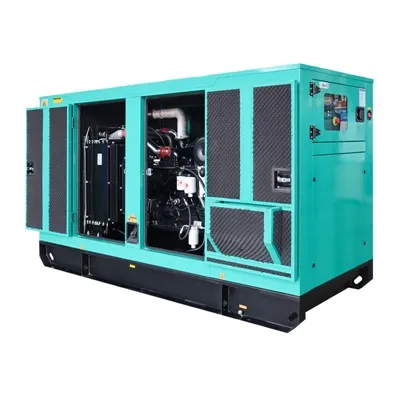
The core components include the engine, alternator, fuel system, cooling system, lubrication system, and control panel. The control panel manages voltage output, monitors performance, and ensures safe operation. Modern systems often include digital displays and automatic controls that improve usability and reliability.
Unlike gasoline generators, diesel units rely on compression ignition rather than spark plugs. This design results in higher fuel efficiency and lower maintenance requirements, making diesel generators more suitable for long-term and heavy-duty applications.
Types of Household Diesel Generators
Household diesel generators are available in several configurations, each designed for specific usage scenarios.
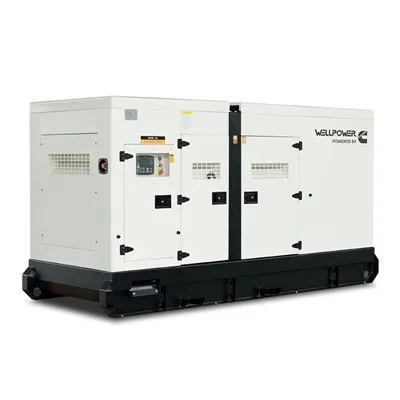
Open-frame generators are typically more affordable and easier to maintain, but they produce higher noise levels. Silent or soundproof generators, on the other hand, are equipped with acoustic enclosures that significantly reduce operational noise, making them ideal for residential neighborhoods.
Portable generators are designed for mobility and are often used in temporary or outdoor applications. Stationary generators are permanently installed and usually connected to an automatic transfer switch, allowing them to activate immediately during a power outage.
Cooling systems also vary. Air-cooled generators are simpler and suitable for smaller loads, while water-cooled systems provide better thermal management for extended operation and higher power output.
Common Applications in Residential Settings
The Household Diesel Generator is widely used for emergency backup during power outages. It ensures that critical systems such as lighting, refrigeration, communication devices, and medical equipment remain operational.
In rural or off-grid areas, diesel generators often serve as the primary power source. They are also commonly used in residential construction projects, small workshops, and home-based businesses that require consistent energy supply.
As home energy demands continue to grow, diesel generators are increasingly integrated into hybrid systems, working alongside renewable energy sources such as solar panels to provide stable and flexible power solutions.
How to Choose the Right Household Diesel Generator
Power Capacity and Load Calculation
Selecting the correct generator capacity is one of the most critical steps. Homeowners must calculate the total wattage required to power essential appliances, including starting and running loads.
A generator that is too small may struggle to handle peak demand, while an oversized unit can lead to inefficient fuel consumption and unnecessary costs. Understanding the difference between standby power and prime power ratings is essential. Standby generators are designed for occasional use during outages, while prime power generators can operate continuously for extended periods.
Accurate load calculation ensures that the Household Diesel Generator operates within its optimal performance range.
Noise Level and Installation Environment
Noise is a key consideration for residential applications. Traditional diesel generators can produce significant sound, which may not be suitable for densely populated areas.
Modern silent generators are designed with soundproof enclosures, vibration isolation systems, and optimized airflow to minimize noise levels. Choosing the right installation location, such as a well-ventilated outdoor area, further reduces noise impact.
Compliance with local noise regulations is also important, especially in urban environments where restrictions may apply.
Fuel Efficiency and Tank Capacity
Fuel efficiency directly affects operating costs. Diesel generators are generally more efficient than gasoline models, but performance varies depending on engine quality and load conditions.
A generator running at 70–80% load typically achieves optimal fuel efficiency. Tank capacity determines how long the generator can operate without refueling, which is particularly important during extended outages.
Choosing a Household Diesel Generator with a balance between fuel consumption and runtime ensures both convenience and cost-effectiveness.
Key Features and Control Systems
Modern generators are equipped with advanced features that enhance usability and safety. Automatic Transfer Switches (ATS) allow the generator to start automatically when a power outage occurs and shut down when grid power is restored.
Digital control panels provide real-time monitoring of voltage, frequency, fuel level, and operating hours. Safety features such as overload protection, low oil shutdown, and emergency stop functions help prevent damage and ensure safe operation.
These features contribute to a more reliable and user-friendly experience, especially for homeowners with limited technical knowledge.
Efficiency Optimization and Performance Factors
Factors Affecting Generator Efficiency
The efficiency of a Household Diesel Generator depends on several factors, including engine design, load management, and environmental conditions. High-quality engines with advanced combustion systems deliver better fuel efficiency and lower emissions.
Operating the generator within its recommended load range is essential. Running at very low loads can lead to incomplete combustion, while overloading can reduce efficiency and damage components.
Environmental factors such as temperature and altitude also affect performance. Generators may require adjustments or derating in extreme conditions to maintain efficiency.
Fuel Management and Cost Efficiency
Effective fuel management is key to reducing operating costs. Using high-quality diesel fuel improves combustion efficiency and extends engine life. Proper storage prevents contamination and degradation, ensuring consistent performance.
Monitoring fuel consumption and optimizing load distribution can significantly reduce expenses over time. For households that rely heavily on generator power, these strategies contribute to long-term savings.
A well-maintained Household Diesel Generator not only consumes less fuel but also delivers more stable output.
Noise Reduction and Environmental Considerations
Noise reduction is achieved through a combination of engineering design and proper installation. Soundproof enclosures, mufflers, and vibration isolation systems are essential components of modern silent generators.
Environmental considerations include emission control and fuel efficiency. Newer models are designed to meet stricter emission standards, reducing their environmental impact.
Homeowners can further minimize disturbances by installing generators in isolated areas and using additional sound barriers if necessary.
Installation, Operation, and Maintenance
Proper Installation Guidelines
Proper installation ensures safe and efficient operation. Generators should be placed in well-ventilated areas to prevent overheating and exhaust accumulation.
Electrical connections must comply with local safety standards, and professional installation is recommended for permanent systems. Proper grounding and protection devices are essential to prevent electrical hazards.
A correctly installed Household Diesel Generator provides reliable performance and reduces the risk of operational issues.
Daily Operation Best Practices
Operating a generator correctly extends its lifespan and improves performance. Start-up and shutdown procedures should follow manufacturer guidelines to avoid unnecessary stress on the engine.
Load management is crucial. Gradually applying load and avoiding sudden changes helps maintain stability and efficiency. Regular monitoring of system parameters ensures that the generator operates within safe limits.
Consistent operation practices contribute to long-term reliability.
Maintenance and Service Schedule
Routine maintenance is essential for maintaining performance and preventing breakdowns. Regular checks should include engine oil, fuel filters, air filters, and coolant levels.
Scheduled servicing ensures that components remain in optimal condition. Preventive maintenance reduces the likelihood of unexpected failures and extends the lifespan of the generator.
A well-maintained Household Diesel Generator can operate efficiently for many years, providing dependable backup power when needed.
Long-Term Use and Investment Value
Lifespan and Durability
Diesel generators are known for their durability and long service life. With proper maintenance, a household diesel generator can operate for thousands of hours without significant performance degradation.
Factors such as build quality, operating conditions, and maintenance practices influence longevity. Investing in a high-quality generator ensures reliable performance over the long term.
Cost Analysis and ROI
While the initial cost of a diesel generator may be higher than gasoline alternatives, the long-term benefits often outweigh the investment. Lower fuel consumption, reduced maintenance costs, and extended lifespan contribute to a favorable return on investment.
For households in areas with frequent outages, the value of uninterrupted power and protection against potential losses further enhances the generator's economic benefits.
Future Trends in Household Diesel Generators
The industry is evolving with advancements in smart technology and hybrid energy systems. Modern generators can integrate with smart home systems, enabling remote monitoring and control.
Hybrid solutions that combine diesel generators with renewable energy sources are becoming more common, offering improved efficiency and reduced environmental impact.
As technology continues to advance, the Household Diesel Generator will remain a key component of reliable residential power systems.
Conclusion
The Household Diesel Generator is a dependable and efficient solution for residential power needs, offering stability, durability, and long-term value. From understanding its core components to selecting the right capacity and optimizing performance, each step plays a critical role in ensuring reliable operation.
By focusing on proper installation, efficient usage, and regular maintenance, homeowners can maximize the benefits of their generator while minimizing costs. As energy demands continue to grow and power reliability remains a concern, investing in a well-designed diesel generator is a practical and forward-looking decision.
Ultimately, a carefully selected and properly maintained generator not only provides backup power but also enhances overall energy security, ensuring that households remain functional and resilient in any situation.